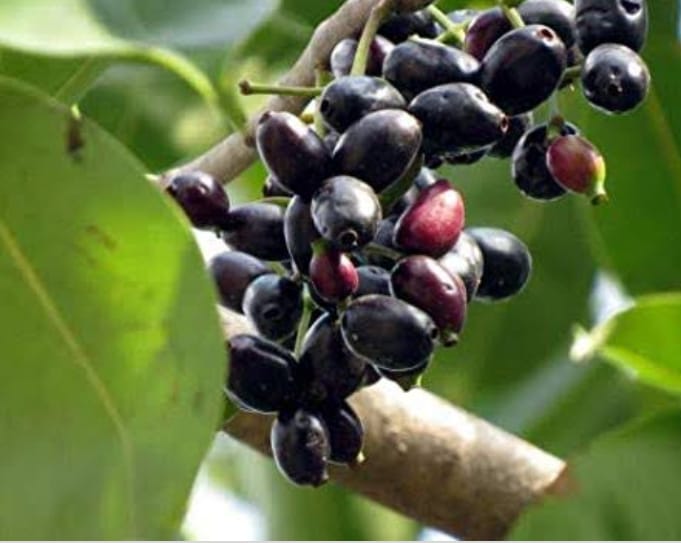
Syzygium cumini, commonly known as Malabar plum, Java plum, or black plum, is an evergreen tropical tree in the flowering plant family Myrtaceae. It is native to the Indian Subcontinent, adjoining regions of Southeast Asia, China and Queensland.Scientific name: Syzygium cumini
Family: Myrtaceae
Kingdom: Plantae
Rank: Species
Higher classification: Syzygium
Order: Myrtales
Benifits:Jamuns are low on calories, which makes them the perfect healthy snack. They also aid digestion and promote natural bowel movement. Jamun juice has bioactive phytochemicals that minimise the risk of liver disease and cancer. They are also known to be effective in treatment of diabetes.
Carissa Carandas
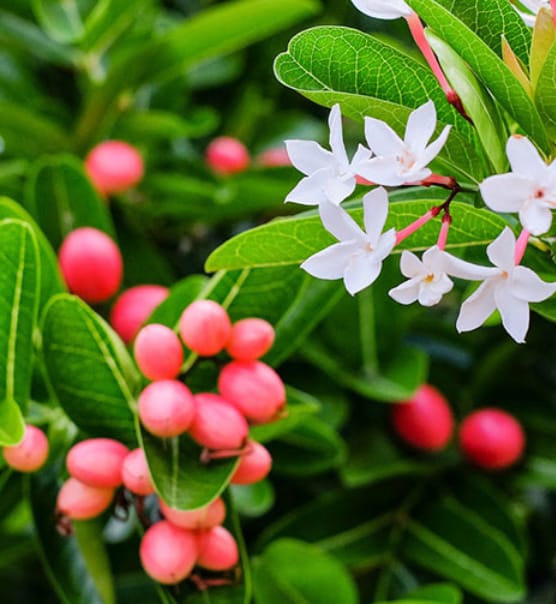
Carissa carandas is a species of flowering shrub in the family Apocynaceae. It produces berry-sized fruits that are commonly used as a condiment in Indian pickles and spices. It is a hardy, drought-tolerant plant that thrives well in a wide range of soils. Wikipedia
Scientific name: Carissa carandas
Rank: Species
Higher classification: Carissa
Uses :Its fruit is used in the ancient Indian herbal system of medicine, Ayurvedic, to treat acidity, indigestion, fresh and infected wounds, skin diseases, urinary disorders and diabetic ulcer, as well as biliousness, stomach pain, constipation, anemia, skin conditions, anorexia and insanity.
Ziziphus Rugosa
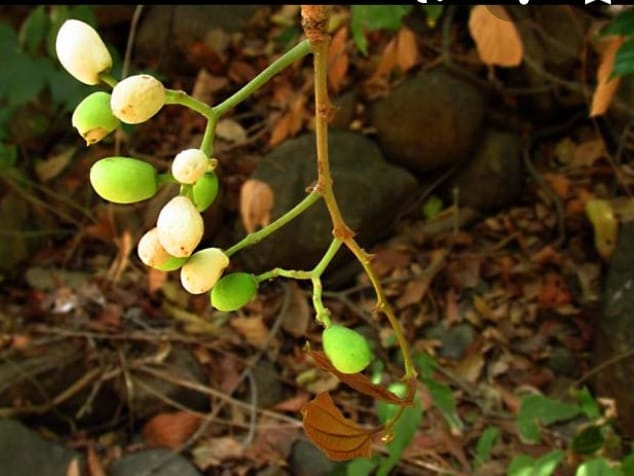
Ziziphus rugosa is a species of tree in the family Rhamnaceae. Ziziphus rugosa is also known as zunna berry. The tree is native to hills and mountains below 1,400 metres altitude, in China, India, Laos, Burma, Sri Lanka, Thailand, and Vietnam. Wikipedia
Scientific name: Ziziphus rugosa
Rank: Species
Family: Rhamnaceae
Use :Its bark and wood are used medicinally for dysentery in Laos And also use for weigh loss.
Chirputtam
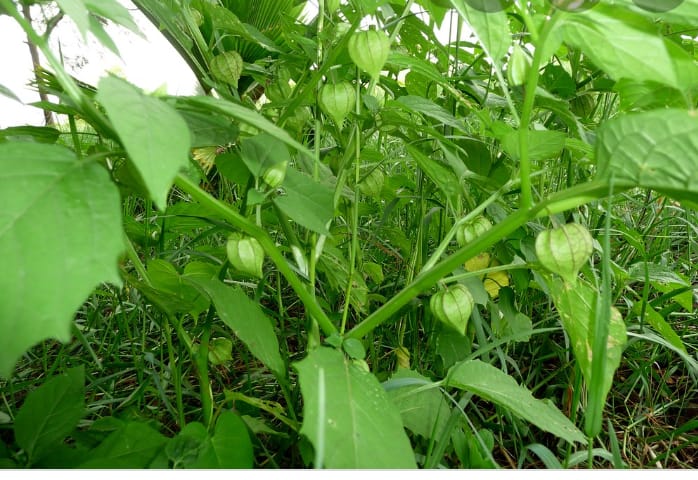
Chirputtam’ are found mostly in September-October and are similar to a firm tomato. They have a mild, refreshing acidity flavour and are similar to fruits with a refreshing taste. They can be eaten fresh.
used in jams and good for digestion,rich in fiber
Kokum/Binnddam
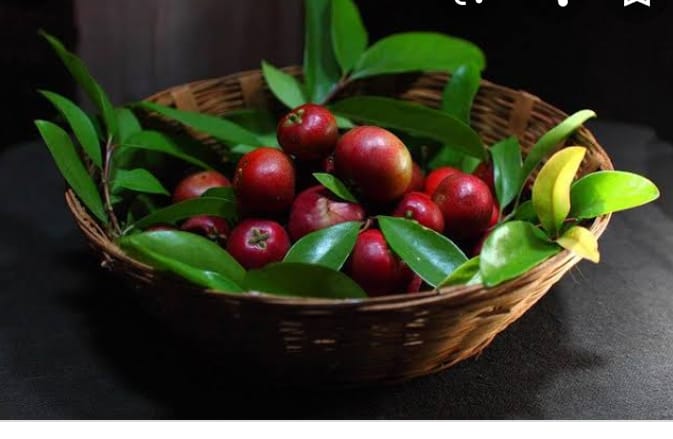
Kokum’ or ‘Binnddam’ as it is known is a fruit of culinary, pharmaceutical, and industrial uses. It is known by various names across India and is used for various purposes. The fruit can be used to prepare a refreshing drink. The outer cover of the fruit can also be dried in the sun and used as a slightly sour spice, as a substitute for tamarind in curries and other dishes.
Use
Kokum is used in case of flatulence. The fruit is useful for treatment of piles, dysentery, tumours, pains and heart complaints. Its juice is effective against allergies due to insect bites, sun exposure related symptoms as well as acidity. It also has shown anti-carcinogenic properties.
Jujube
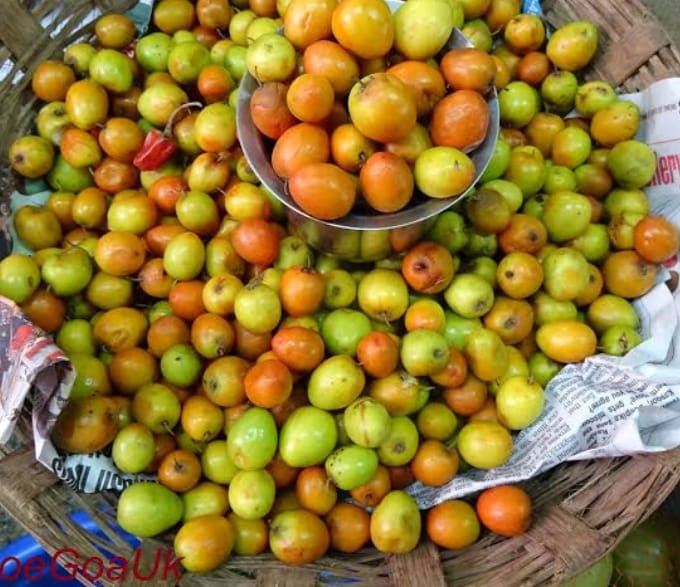
Jujube (plural jujubes) The sweet and edible drupes (fruits) of several Mediterranean and African species of small trees. A fruit-bearing tree, Ziziphus jujuba or Ziziphus zizyphus. The fruit of this tree, also known as Chinese date and fructus jujubae.
https://en.m.wiktionary.org › wiki
jujube – Wiktionary
Kingdom: Plantae
Family: Rhamnaceae
Order: Rosales
Rank: Species
Higher classification: Jujube
Here are some of the specific ways jujube benefits health, according to scientific research: As an antioxidant. Jujube contains potent supplies of several antioxidants, including vitamins C, B, and A. Antioxidants help repair and restrain cell damage, and reduce harmful oxidative stress and inflammation in the body.
CARANZ OR KARVANDAM
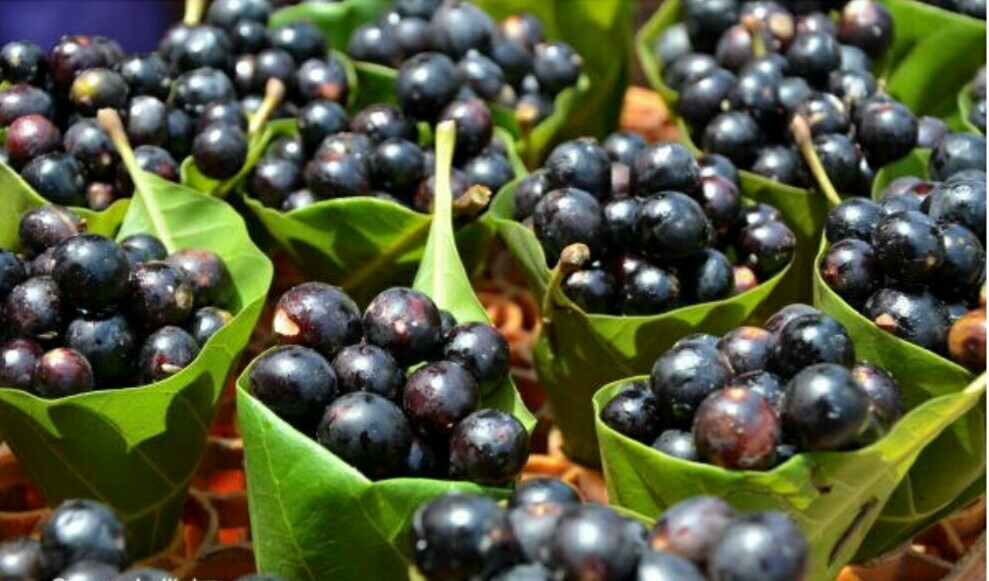
A small purple berry that you find in the markets but more often on the roadside especially when you go south of Margao. On the road, women usually sell them in cones made of leaves – what an eco-friendly way to package the products. The taste is Khatta-Meetha or sweet & sour – primarily comes from the pulp of the fruit. Two small flat seeds are embedded in the pulp. The raw version of this fruit, when it is still hard and green is also available for making pickles.
Use:if the person is too dunk it help the person to get normal.
BIBBE OR RAW CASHEW
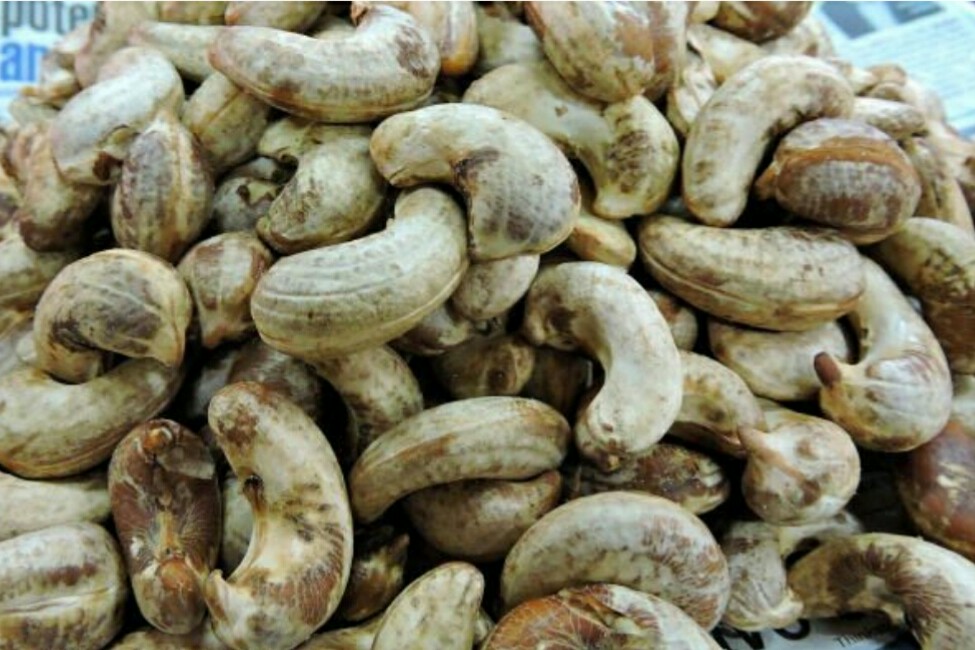
Cashew is the king of Goa. No matter what mode you take to enter Goa, the piles of cashew would welcome you. You find them at the airport, at the railway station, at bus stations and at all possible tourists corners along with its baby Feni. Now what you may not have seen is the wet or raw cashew, locally called ‘Bibbe’ that you get only during summers – typically Mid-March to Mid-June. You buy it by pieces, at peak season something like a Rupee per piece and at other times a bit higher. You need to soak it for a while to be able to peel the skin and eat it raw. It tastes yummier than its dry & hardened version that we usually consume. I guess to make curry out of this would also be easier though the thought of rich curries in this summer heat is repelling.

 Different types of Goan wild fruits